Clinical Pharmacy Services vs Traditional Pharmacies: Cost, Outcomes, and Insurance Coverage
Clinical Pharmacy Services vs Traditional Pharmacies: Cost, Outcomes, and Insurance Coverage is an increasingly important comparison for U.S. patients, employers, and healthcare payers seeking better outcomes and lower healthcare costs.
For decades, traditional pharmacies have focused primarily on dispensing medications. Today, however, clinical pharmacy services are reshaping how medications are managed, monitored, and optimized—especially for patients with chronic conditions and complex treatment regimens.
This informercial-style guide breaks down the key differences between clinical pharmacy services and traditional pharmacies, with a focus on cost, patient outcomes, and insurance coverage.
What Are Traditional Pharmacies?
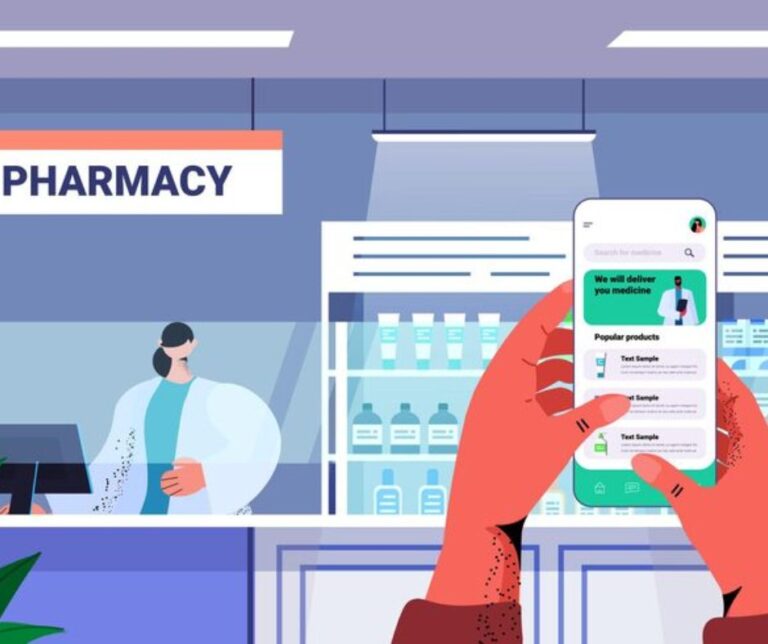
Traditional pharmacies—such as retail chain pharmacies and independent drugstores—primarily focus on medication dispensing.
Core services typically include:
- Prescription filling and refills
- Basic medication counseling
- Over-the-counter product sales
- Immunizations
While these services are essential, time constraints and workflow volume often limit in-depth medication management.
What Are Clinical Pharmacy Services?
Clinical pharmacy services are patient-centered, pharmacist-led healthcare services that go beyond dispensing.
Clinical pharmacists work collaboratively with physicians, health systems, and insurers to optimize medication therapy.
Common clinical pharmacy services include:
- Medication Therapy Management (MTM)
- Chronic disease management
- Medication reconciliation and safety reviews
- Adverse drug event prevention
- Therapeutic optimization and deprescribing
These services are often delivered in hospitals, clinics, long-term care facilities, employer health programs, and telepharmacy platforms.
Cost Comparison: Clinical Pharmacy Services vs Traditional Pharmacies
At first glance, traditional pharmacies may appear more cost-effective because dispensing fees are low and widely covered by insurance.
However, indirect costs associated with medication errors, hospitalizations, and poor adherence can be substantial.
Clinical pharmacy services help reduce overall healthcare spending by:
- Eliminating unnecessary or duplicate medications
- Identifying lower-cost therapeutic alternatives
- Preventing costly adverse drug events
- Reducing emergency room visits
Multiple studies show that clinical pharmacy interventions can generate significant net savings per patient annually, particularly for those with chronic conditions.
Patient Outcomes: Which Model Delivers Better Results?
When it comes to outcomes, clinical pharmacy services consistently outperform traditional dispensing-only models.
Clinical pharmacy involvement has been associated with:
- Improved medication adherence
- Better chronic disease control
- Fewer hospital readmissions
- Reduced medication-related complications
Traditional pharmacies play an important role in access and convenience, but they are not designed to provide ongoing clinical medication management.
Insurance Coverage Differences
Insurance coverage is one of the most important distinctions between these two models.
Traditional pharmacy services are universally covered for prescription dispensing under most insurance plans.
Clinical pharmacy services may be covered under:
- Medicare Part D (MTM programs)
- Medicare Part B (specific clinical services)
- Employer-sponsored health plans
- Value-based care arrangements
Coverage varies based on plan design, eligibility criteria, and service type, but many patients qualify for clinical pharmacy services at no additional cost.
The Role of Clinical Pharmacists in Value-Based Care
As U.S. healthcare shifts toward value-based models, clinical pharmacists are becoming essential members of care teams.
By focusing on outcomes rather than volume, clinical pharmacy services align with payer and employer goals to improve quality while controlling costs.
This shift is driving increased adoption of pharmacist-led services across hospitals, accountable care organizations (ACOs), and employer health programs.
Which Option Is Right for Patients?
For routine prescription needs, traditional pharmacies remain a convenient and necessary option.
For patients who:
- Take multiple medications
- Have chronic or complex conditions
- Experience side effects or adherence challenges
Clinical pharmacy services provide added value through personalized, ongoing medication management.
Final Thoughts
Clinical Pharmacy Services vs Traditional Pharmacies: Cost, Outcomes, and Insurance Coverage highlights a critical evolution in U.S. healthcare.
While both models play important roles, clinical pharmacy services offer measurable improvements in outcomes and long-term cost savings.
As awareness and insurance coverage expand, clinical pharmacy is positioned to become a cornerstone of patient-centered, value-driven care.
Health & Medical Disclaimer: This content is provided for informational and educational purposes only and does not constitute medical, pharmaceutical, or professional healthcare advice. Clinical pharmacy services, traditional pharmacy services, costs, insurance coverage, and patient outcomes may vary based on individual health conditions, insurance plans, and provider practices. Always consult a licensed pharmacist, physician, or qualified healthcare professional regarding any medication-related decisions or changes to your healthcare plan.
Clinical Pharmacy Services vs Traditional Pharmacies: Cost, Outcomes, and Insurance Coverage is an increasingly important comparison for U.S. patients, employers, and healthcare payers seeking better outcomes and lower healthcare costs.
For decades, traditional pharmacies have focused primarily on dispensing medications. Today, however, clinical pharmacy services are reshaping how medications are managed, monitored, and optimized—especially for patients with chronic conditions and complex treatment regimens.
This informercial-style guide breaks down the key differences between clinical pharmacy services and traditional pharmacies, with a focus on cost, patient outcomes, and insurance coverage.
What Are Traditional Pharmacies?
Traditional pharmacies—such as retail chain pharmacies and independent drugstores—primarily focus on medication dispensing.
Core services typically include:
- Prescription filling and refills
- Basic medication counseling
- Over-the-counter product sales
- Immunizations
While these services are essential, time constraints and workflow volume often limit in-depth medication management.
What Are Clinical Pharmacy Services?
Clinical pharmacy services are patient-centered, pharmacist-led healthcare services that go beyond dispensing.
Clinical pharmacists work collaboratively with physicians, health systems, and insurers to optimize medication therapy.
Common clinical pharmacy services include:
- Medication Therapy Management (MTM)
- Chronic disease management
- Medication reconciliation and safety reviews
- Adverse drug event prevention
- Therapeutic optimization and deprescribing
These services are often delivered in hospitals, clinics, long-term care facilities, employer health programs, and telepharmacy platforms.
Cost Comparison: Clinical Pharmacy Services vs Traditional Pharmacies
At first glance, traditional pharmacies may appear more cost-effective because dispensing fees are low and widely covered by insurance.
However, indirect costs associated with medication errors, hospitalizations, and poor adherence can be substantial.
Clinical pharmacy services help reduce overall healthcare spending by:
- Eliminating unnecessary or duplicate medications
- Identifying lower-cost therapeutic alternatives
- Preventing costly adverse drug events
- Reducing emergency room visits
Multiple studies show that clinical pharmacy interventions can generate significant net savings per patient annually, particularly for those with chronic conditions.
Patient Outcomes: Which Model Delivers Better Results?
When it comes to outcomes, clinical pharmacy services consistently outperform traditional dispensing-only models.
Clinical pharmacy involvement has been associated with:
- Improved medication adherence
- Better chronic disease control
- Fewer hospital readmissions
- Reduced medication-related complications
Traditional pharmacies play an important role in access and convenience, but they are not designed to provide ongoing clinical medication management.
Insurance Coverage Differences
Insurance coverage is one of the most important distinctions between these two models.
Traditional pharmacy services are universally covered for prescription dispensing under most insurance plans.
Clinical pharmacy services may be covered under:
- Medicare Part D (MTM programs)
- Medicare Part B (specific clinical services)
- Employer-sponsored health plans
- Value-based care arrangements
Coverage varies based on plan design, eligibility criteria, and service type, but many patients qualify for clinical pharmacy services at no additional cost.
The Role of Clinical Pharmacists in Value-Based Care
As U.S. healthcare shifts toward value-based models, clinical pharmacists are becoming essential members of care teams.
By focusing on outcomes rather than volume, clinical pharmacy services align with payer and employer goals to improve quality while controlling costs.
This shift is driving increased adoption of pharmacist-led services across hospitals, accountable care organizations (ACOs), and employer health programs.
Which Option Is Right for Patients?
For routine prescription needs, traditional pharmacies remain a convenient and necessary option.
For patients who:
- Take multiple medications
- Have chronic or complex conditions
- Experience side effects or adherence challenges
Clinical pharmacy services provide added value through personalized, ongoing medication management.
Final Thoughts
Clinical Pharmacy Services vs Traditional Pharmacies: Cost, Outcomes, and Insurance Coverage highlights a critical evolution in U.S. healthcare.
While both models play important roles, clinical pharmacy services offer measurable improvements in outcomes and long-term cost savings.
As awareness and insurance coverage expand, clinical pharmacy is positioned to become a cornerstone of patient-centered, value-driven care.
Health & Medical Disclaimer: This content is provided for informational and educational purposes only and does not constitute medical, pharmaceutical, or professional healthcare advice. Clinical pharmacy services, traditional pharmacy services, costs, insurance coverage, and patient outcomes may vary based on individual health conditions, insurance plans, and provider practices. Always consult a licensed pharmacist, physician, or qualified healthcare professional regarding any medication-related decisions or changes to your healthcare plan.