Free Medical Bill Organizer Phoenix: Simplify Your Expenses
Did you know that the average American family spends over $5,000 annually on healthcare costs? For Phoenix residents, managing these expenses can feel overwhelming without the right tools.
This comprehensive resource hub provides financial planning solutions specifically designed for individuals in the Valley of the Sun. Whether you have insurance coverage or not, these organizational systems help you track healthcare spending effectively.
The primary purpose is to offer practical financial tools that don’t require advanced accounting knowledge. You’ll discover apps, templates, and calculators that transform complex billing into manageable categories.
Important Disclaimer: These are financial planning tools only, not medical advice. Consult professionals for health decisions.
Throughout this guide, you’ll find step-by-step implementation instructions and local resources. The focus remains on accessibility for all financial backgrounds in the Phoenix area.
Key Takeaways
- Healthcare expenses can be complex but manageable with proper organization
- Financial tools are available regardless of insurance status
- Templates and calculators simplify expense tracking
- All resources focus on budgeting and financial planning
- Local Phoenix-specific information helps customize your approach
- Step-by-step guidance makes implementation straightforward
- These tools complement but don’t replace professional advice
Introduction
Understanding and tracking health-related expenditures has become increasingly difficult for today’s consumers. The complexity of modern systems creates substantial challenges for maintaining financial wellness.

People face multiple hurdles when managing their healthcare finances. These include deciphering insurance statements, coordinating payments to different providers, and planning for future needs.
Proper organization of billing documentation helps individuals spot errors and monitor deductibles. This systematic approach gives people better control over their health finances.
Unexpected health costs can strain household budgets significantly. Proactive tracking prevents financial surprises and supports better planning.
Effective management requires consistent documentation that’s accessible to everyone. The right tools make this process straightforward for patients of all backgrounds.
Local considerations shape how people approach their financial health. Resources tailored to regional needs provide the most relevant support for sustainable wellness.
Free Financial Tools for Tracking Medical Expenses in Phoenix
Digital tools can transform how you monitor and control your health-related spending patterns. These applications provide systematic approaches to expense management.
Overview of Free Apps and Trackers
Mint Health offers comprehensive budget tracking with specialized categories for healthcare costs. It automatically sorts expenses and provides spending insights.
GoodBudget uses an envelope system for allocating funds to different health categories. This method helps plan for both routine and unexpected healthcare needs.
Excel and Google Sheets templates allow complete customization for your specific situation. You can tailor tracking systems to match individual billing requirements.
Comparison Table of Top Free Tools
| Name | Features | Platform | Access |
|---|---|---|---|
| Mint Health | Bill tracking, spending categories | Web, iOS, Android | mint.com |
| GoodBudget | Envelope budgeting, expense planning | Web, iOS, Android | goodbudget.com |
| Excel Templates | Custom tracking, receipt organization | Desktop, Web | microsoft.com |
| PocketGuard | Spending limits, bill reminders | iOS, Android | pocketguard.com |
| Wally | Expense logging, budget goals | iOS, Android | wally.me |
| Spendee | Shared budgets, cost analysis | iOS, Android | spendee.com |
| Money Lover | Event tracking, debt management | Web, iOS, Android | moneylover.me |
| Buddy | Group expenses, payment tracking | iOS, Android | buddy.app |
Consider your technical comfort level when selecting from this list of options. Some tools offer simpler interfaces while others provide advanced healthcare service tracking.
Evaluate which combination works best for your specific health service requirements. Family tracking needs different solutions than individual expense management.
Unlock the Free Medical Bill Organizer Phoenix Advantage
The true value of systematic health expense tracking becomes apparent during critical moments when documentation matters most. A structured approach transforms chaotic paperwork into actionable financial intelligence.
Organized records provide crucial support during insurance claims. Quick access to documents streamlines the verification process and ensures proper reimbursement. This systematic organization prevents delays and disputes.
Tax preparation becomes significantly easier with well-maintained healthcare expense records. You can easily identify deductible expenses and track account contributions. This systematic approach maximizes potential savings.
Careful review of billing statements helps identify errors and duplicate charges. Many people discover incorrect insurance applications through organized tracking. This vigilance can save substantial amounts annually.
The peace of mind from having control over your healthcare finances reduces stress during challenging times. Clear visibility into obligations makes the entire process more manageable.
Better communication with providers results from organized billing documentation. Questions get resolved faster when you have complete records available. This efficiency improves your overall experience.
Long-term financial planning benefits greatly from historical expense data. Understanding past costs helps anticipate future healthcare needs. This strategic approach supports informed insurance decisions.
Systematic organization of your billing information provides comprehensive support across all financial aspects. The advantages compound over time, creating lasting financial stability.
HSA and FSA Guide for Health Budgeting in Phoenix
Many people overlook the tax benefits available through specialized health accounts. These tools can significantly reduce your healthcare costs when used correctly.
Health Savings Accounts (HSAs) work with high-deductible health plans. They offer triple tax advantages: deductible contributions, tax-free growth, and tax-free withdrawals for qualified expenses.
Understanding HSA Benefits and Tax Advantages
HSAs reduce your taxable income while building savings for future needs. Funds roll over year after year and can be invested for growth.
Eligibility requires a qualified high-deductible health insurance policy. This program helps people with varying income levels save strategically.
Comparing FSA Options: Contribution Limits and Eligibility
Flexible Spending Accounts (FSAs) are employer-sponsored benefits. They operate under “use-it-or-lose-it” rules with some carryover options.
FSAs provide immediate access to your full annual election amount. They complement other coverage to reduce overall healthcare costs.
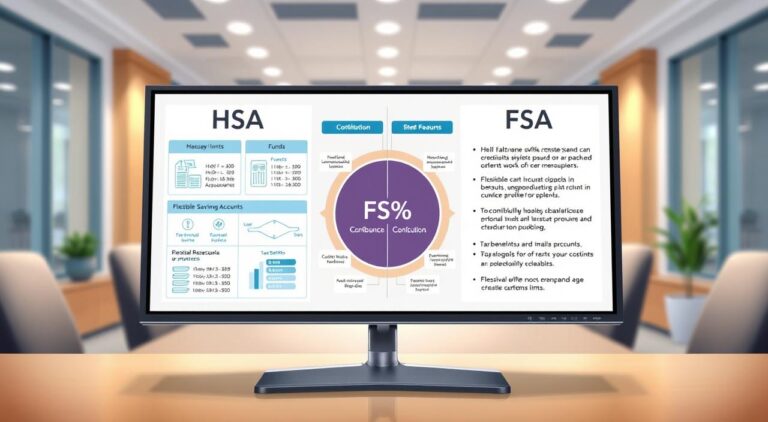
| Feature | HSA | FSA |
|---|---|---|
| 2025 Contribution Limit | $4,150 individual | $3,200 |
| Eligibility | HDHP required | Employer-sponsored |
| Rollover | Unlimited | Limited carryover |
| Tax Benefits | Triple tax advantage | Pre-tax contributions |
Consult IRS.gov for current rules and qualified expenses. Choose the account that best fits your health budgeting needs.
Budget Templates for Creating an Effective Health Budget
Downloadable budget templates create structured systems for healthcare expense management. These practical tools help individuals track spending patterns and make informed decisions.
Monthly Medical Budget Spreadsheet
This comprehensive spreadsheet organizes all health-related costs. It includes categories for insurance premiums, copays, prescriptions, and unexpected expenses.
Automatic formulas calculate totals and compare actual spending against budgeted amounts. This helps identify patterns in your health spending.
HSA Contribution Calculator and Out-of-Pocket Tracker
The HSA calculator determines optimal contribution amounts based on income and expected health needs. It maximizes tax benefits while meeting healthcare requirements.
The out-of-pocket tracker monitors deductibles, coinsurance, and non-covered services. It tracks progress toward insurance limits and helps manage billing documentation.
Your financial team can customize these templates for specific conditions or family situations. Regular updates ensure accurate billing records and effective health budget management.
How to Use These Tools for Effective Expense Tracking
A systematic approach to using financial tools ensures you capture every detail of your healthcare spending. This guide provides clear steps to implement each resource effectively.
Following these instructions will streamline your tracking process and provide valuable insights into your health finances.
Step-by-Step Guide for Each Financial Tool
Begin by creating an account with your chosen application. For apps like Mint Health, link your bank and credit cards to automate transaction imports.
Next, establish specific categories for health-related costs. Label them clearly, such as “Doctor Visits,” “Prescriptions,” and “Insurance Premiums.”
Set monthly budget limits for each category based on your expected needs. Review spending reports weekly to spot trends in your billing patterns.
For spreadsheet templates, start by entering your initial data. Customize columns to match your individual health service requirements.
Use formulas to automatically calculate totals and track deductible progress. Schedule a weekly update to maintain accurate records for you or your family.
Practical Phoenix Examples and Local Cost Insights
Residents of Phoenix face specific costs. A typical specialist visit copay ranges from $40 to $75 locally.
An emergency room visit can cost between $500 and $3,000 before insurance. Understanding these averages helps set realistic budget expectations.
Consider a patient managing diabetes in Phoenix. They can use these tools to track monthly prescription costs, specialist co-pays, and supplies.
This process helps anticipate annual expenses and plan HSA contributions effectively. It turns complex billing into a manageable service for financial health.
Regularly scanning receipts and reviewing statements ensures no detail is missed. This diligence empowers every patient to take control of their health finances.
Tips for Maximizing Savings on Medical Expenses
Strategic planning can significantly reduce your out-of-pocket healthcare costs while improving financial wellness. These practical approaches help you get the most value from your healthcare dollars.
Start by maximizing your Health Savings Account contributions. Contribute the annual maximum when possible and take advantage of employer matching programs. Those over 55 can make catch-up contributions to build substantial savings.
Maximizing HSA Contributions
Organize receipts and billing statements systematically. Create dedicated filing systems, either physical or digital. Scan paper receipts immediately and use apps that capture images for easy retrieval.
Best Practices for Organizing Medical Receipts
Categorize expenses effectively to support tax deductions and insurance claims. Separate qualified medical expenses from non-qualified ones. Track mileage for appointments and document over-the-counter medications.
Negotiate costs with providers by requesting itemized bills to identify errors. Ask about financial assistance programs and payment plans. Many facilities offer discounts for prompt payment.
Leverage your insurance policy benefits fully. Understand coverage details and use in-network providers. Schedule multiple procedures in the same year when possible to meet deductibles strategically.
Review billing statements carefully for duplicate charges or services not received. Proper documentation provides crucial support when disputing incorrect charges. This vigilance can save substantial amounts annually.
“The best healthcare savings come from consistent organization and proactive planning.”
These strategies work together to reduce your healthcare expenses while maintaining quality care. Regular implementation creates lasting financial benefits for your health management.
Overview of Financial Planning Tools and Resources
Understanding the difference between financial planning tools and actual medical guidance is crucial for effective health expense management. This section clarifies the purpose of these resources and introduces additional support options.
Distinguishing Financial Planning Tools from Medical Advice
All tools and templates discussed here focus solely on managing the costs of your healthcare. They provide no guidance on diagnoses, treatments, or clinical decisions.
You should always consult qualified professionals for all health-related advice. Use these financial resources only for budgeting and expense tracking.
The scope includes budgeting tools, savings calculators, and organizational systems. They help manage costs associated with health services.
Exploring Additional Assistance Options for Underinsured and Uninsured
Residents with limited or no insurance have access to special assistance programs. These include charity care and sliding-scale payment options.
Financial planning tools complement this assistance by organizing needed documentation. They help track eligibility and manage remaining costs.
Local resources and state programs offer unique support. Understanding these options provides substantial financial relief.
The following sections will detail specific assistance available in the area. This information helps you build a complete financial care plan.
Insights from Industry Trends and Web Sources
Major healthcare systems in Arizona offer structured financial assistance programs that provide significant relief for qualified individuals. These programs help people access necessary care while managing costs effectively.
Key Data from Dignity Health and Banner Health
Dignity Health’s Financial Assistance Policy supports uninsured and under-insured patients. Those with family income up to 200% of Federal Poverty Level receive services at no cost.
For incomes between 200-500% FPL, patients pay the Amount Generally Billed. This rate reflects what insurers would pay. The program includes interest-free payment plans.
Banner Health hospitals offer similar assistance with expanded criteria. They help patients whose medical expenses exceed 50% of household income.
- Charity care available at ≤200% FPL
- Discounted options for ≤400% FPL
- 1.25 x AGB rate structure
How State Programs Impact Phoenix Patients
Arizona’s guidelines shape eligibility for hospital assistance programs. Both systems align with federal poverty levels to determine qualification.
Contact Dignity Health at (866) 621-7272 for billing questions. Banner Health’s assistance line is (888) 264-2127. Applications are available in English and Spanish.
These services ensure patients receive necessary care without financial hardship. The policy protections include no advance payments for emergency services.
Additional Resources for Health Expense Management
Government programs and nonprofit organizations provide crucial safety nets for those struggling with healthcare costs. These resources complement the financial tools discussed earlier, offering comprehensive support for expense management.
Government Programs and Policy Information
Arizona residents can access several government assistance programs. The Arizona Health Care Cost Containment System (AHCCCS) serves as the state’s Medicaid program for low-income individuals and families.
Medicare provides coverage for those 65 and older, while CHIP offers insurance for children. Eligibility depends on income level and family size. Applications require proof of income, residency, and family composition.
Processing typically takes 30-45 days for eligibility determination. Government organizations provide detailed policy information online and through local offices.
Consumer Advocacy and Nonprofit Support
BenefitsCheckUp.org helps residents age 55+ identify programs for prescription costs and essential services. This nonprofit organization partners with local hospitals to provide valuable assistance.
The Health Consumer Alliance offers free consumer advocacy at (888) 804-3536. They help patients understand billing statements and navigate payment processes. This support includes resolving disputes with insurance companies.
Hospital financial assistance teams provide personalized guidance through application processes. Contact Dignity Health at 602-406-3860 or Banner Health at 888-264-2127 for specialized support.
Community health centers offer sliding-scale payment options based on income. They serve uninsured patients with primary care and dental services. Multilingual resources ensure accessibility for diverse populations.
Document all assistance received and track remaining expenses using your organizational tools. Maintain records of communications with assistance programs for comprehensive financial management.
Conclusion
Empowering yourself with the right financial tools transforms complex healthcare costs into manageable expenses. The comprehensive resources discussed provide valuable support for tracking your health spending effectively.
Implementing an organized system offers significant benefits. You gain better financial control, identify billing errors, and maximize tax advantages. This approach reduces stress and improves planning for future health needs.
Take action today by selecting one or two tools to start your journey. Local assistance programs and nonprofit organizations offer additional support for residents seeking financial relief.
Remember: These are financial planning tools only, not medical advice. Always consult qualified professionals for health decisions.
Consistent use of these resources builds lasting financial wellness. You now have everything needed to take control of your healthcare expenses with confidence.