Free Medical Expense Trackers in New York: Compare Options
Nearly half of all American adults struggle to pay for healthcare costs, a burden that hits hard in a state with a high cost of living. For residents of the Empire State, managing these bills can feel overwhelming.
This guide focuses on financial tools, trackers, templates, and budget calculators specifically for healthcare spending. We provide free tools and templates to track medical expenses and create health budgets in New York – even without insurance.
Our goal is to help you organize bills, monitor out-of-pocket costs, and develop sustainable spending plans. You can maximize tax benefits through accounts like HSAs and FSAs. This article compares multiple no-cost options, including apps and spreadsheet templates, to help you choose the best method for your situation.
Disclaimer: Financial planning tools only, not medical advice. Consult professionals for health decisions.
Key Takeaways
- Many people find managing healthcare costs challenging, but effective tools are available.
- Free financial resources can help you track spending and create a budget.
- These systems are designed for organizing bills and monitoring out-of-pocket payments.
- Using these tools can help you make the most of tax-advantaged accounts.
- This article will compare different options to find the right fit for your needs.
- All resources discussed are for financial organization, not for making health decisions.
Introduction
With rising healthcare costs affecting budgets nationwide, individuals are seeking better ways to organize their spending. Financial management tools have transformed how people handle their healthcare finances.
Overview of Free Financial Tools
Modern financial tools offer sophisticated capabilities that were once limited to professional services. These systems help individuals monitor their money and identify spending patterns.
Available options include mobile applications that sync with accounts, spreadsheet templates for manual entry, and online calculators for tax-advantaged accounts. Hybrid systems combine multiple features for comprehensive management.

Proper financial organization is particularly valuable in high-cost regions. It helps people make informed decisions about their money and plan for future needs.
These resources serve diverse populations including self-employed workers, families with ongoing health needs, and retirees managing fixed incomes. Accessible tools empower people to take control of their finances.
Disclaimer: Financial Tools Only, Not Medical Advice
All content discussed here relates exclusively to financial planning tools. This information does not constitute medical advice, diagnose conditions, or recommend treatments.
Readers should consult qualified healthcare providers for all health-related decisions. Never delay seeking medical care due to financial concerns.
Free Tools and Templates for Tracking Medical Expenses in New York
Modern financial organization solutions range from automated apps to hands-on spreadsheet systems. Each option offers distinct advantages for managing health-related spending.
The table below compares eight popular resources. These tools help you monitor spending patterns and organize financial data effectively.
Comparison Table of Free Apps and Trackers
| Tool Name | Key Features | Access Information |
|---|---|---|
| EveryDollar | Custom budgeting, basic version available | Free basic plan at EveryDollar.com |
| YNAB | Bank transaction imports, goal setting | $15/month with 34-day trial |
| Simplifi | Real-time alerts, spending reports | $3.99/month with money-back guarantee |
| Rocket Money | Subscription tracking, bill negotiation | Free basic account available |
| Expensify | Receipt scanning, mileage tracking | Free basic plan at Expensify.com |
| QuickBooks | Automated recurring expenses | 30-day free trial available |
| Google Sheets Templates | Customizable categories, manual entry | Free templates through Google Drive |
| Excel Budget Planners | Detailed spreadsheet systems | Various free templates online |
Key Features: Bill Tracking, HSA Calculators, and More
Automated tools connect directly to your bank account. They import transactions daily, eliminating manual data entry.
These systems provide strong categorization features. You can separate health spending from other costs easily.
Spreadsheet templates offer greater control over your financial data. They work well for people who prefer hands-on tracking.
Consider your comfort with technology when choosing a system. Simple apps work for basic needs, while robust options suit complex situations.
Medical Expense Tracker Free New York
Residents of the Empire State face distinct healthcare budgeting pressures. The state’s above-average costs and diverse insurance options through NY State of Health create unique financial challenges.
These financial management systems help with state-specific tax considerations. They maintain records for potential itemized deductions and assistance programs.
When selecting a system, prioritize features that categorize costs by provider type. Essential capabilities include monitoring copays versus out-of-pocket payments and tracking deductible limits.
Setting up your financial management begins with connecting payment methods. Create custom classifications for different service types like prescriptions and specialist visits.
Establish a routine for uploading documentation immediately after payments. This prevents receipt fading and ensures accurate record-keeping.
Practical examples include recording costs from NYC hospital visits or pharmacy purchases. Consistent categorization helps identify spending patterns over time.
Generate useful summaries showing monthly totals and year-to-date figures. Comparison documents reveal trends while tax-ready summaries separate qualified costs.
Maintain accuracy by reconciling records with bank statements monthly. Regular backups prevent data loss and ensure continuous financial oversight.
HSA and FSA Guide: Maximizing Tax Benefits for Medical Expenses
Special tax-advantaged accounts offer powerful ways to manage healthcare costs while reducing your tax burden. Both Health Savings Accounts (HSAs) and Flexible Spending Accounts (FSAs) provide significant advantages for your money.
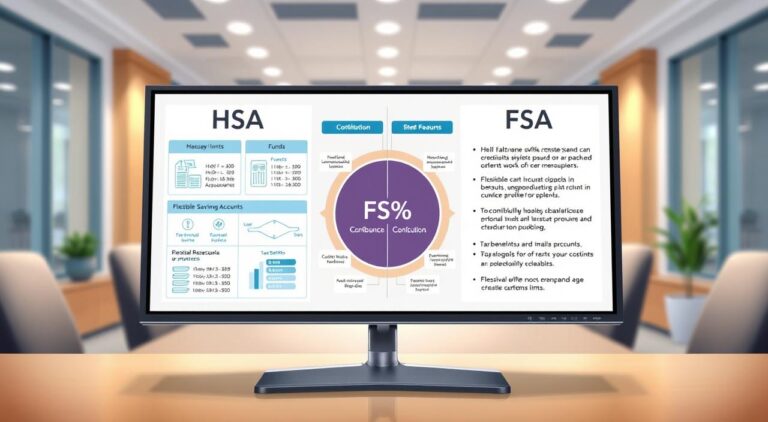
HSA vs FSA Comparison
These accounts work differently despite similar tax benefits. HSAs require a high-deductible health plan but offer greater flexibility.
| Feature | Health Savings Account (HSA) | Flexible Spending Account (FSA) |
|---|---|---|
| Tax Advantage | Triple tax benefit | Pre-tax contributions |
| Rollover | Unlimited year-to-year | Use-it-or-lose-it rule |
| Eligibility | HDHP required | Employer-sponsored |
| Long-term Potential | Investment options available | Annual use only |
HSAs provide what financial experts call the triple-tax advantage. Your contributions reduce taxable income, growth happens tax-free, and qualified withdrawals never face taxes.
Contribution Limits and Eligibility for 2025
For 2025, HSA limits project to $4,300 for individual coverage and $8,700 for families. Those 55+ can add $1,000 as catch-up contributions.
FSA contribution limits typically align with HSA family limits. You must have employer-sponsored insurance to participate in most FSA plans.
Both accounts cover similar qualified costs including prescriptions, doctor visits, and dental care. Always consult IRS.gov for official expense guidelines.
Smart strategies include paying current bills with cash while letting HSA money grow. You can reimburse yourself years later, keeping more savings invested.
Budget Templates to Manage Medical Spending
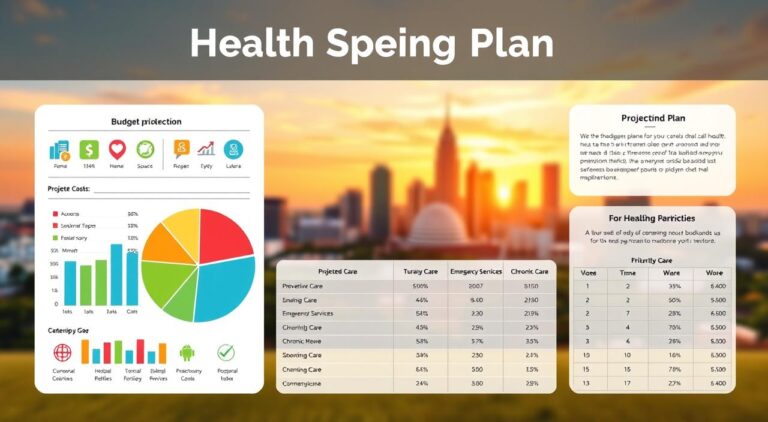
Separate budget planning for healthcare costs allows for more precise financial forecasting and management. Dedicated templates help you organize spending data effectively.
Monthly Medical Budget Spreadsheets
Monthly spreadsheet templates provide comprehensive organization for healthcare costs. They help track insurance premiums, prescriptions, and specialist visits.
These tools categorize spending to reveal patterns over time. You can customize categories based on your specific needs and income level.
Setting financial goals becomes easier with clear monthly views. The spreadsheet format allows for easy adjustments as your situation changes.
Out-of-Pocket and HSA Contribution Calculators
Specialized calculators help determine optimal HSA contributions based on expected costs. They consider your tax bracket and family coverage needs.
Out-of-pocket calculators track spending against annual deductibles. This ensures you understand remaining coverage limits.
These tools help balance cash flow with long-term savings goals. Proper planning maximizes tax benefits while covering current expenses.
Effective budget management requires regular monthly reviews. Adjust your categories and goals as your healthcare needs evolve.
How to Use These Tools Effectively in New York
Proper utilization of budgeting tools demands consistent routines and attention to detail for optimal results. Following structured approaches ensures you capture all relevant financial information accurately.
Step-by-Step Instructions for Each Tool
Begin by downloading your chosen application or accessing the online service. Create your account using secure login credentials for protection.
Connect your bank accounts securely to enable automatic transaction imports. This saves time compared to manual entry methods.
Set up custom categories specifically for healthcare spending. Establish alerts for budget thresholds to monitor your financial health.
Local New York Examples and Average Medical Costs by State
Recording a $150 specialist visit at a Manhattan facility demonstrates proper categorization. A $45 prescription fill in Queens shows how to document pharmacy costs.
Healthcare costs in this state typically run 15-25% above national averages. Emergency visits often range from $1,500-3,000 depending on the service required.
Dedicate 15-30 minutes weekly to review and categorize your transactions. This regular time investment maintains accurate financial data.
Reconcile records monthly with bank statements to catch discrepancies. Quarterly reports help identify spending patterns for better budgeting decisions.
Savings Tips for Medical Expenses in New York
Strategic financial planning can significantly reduce your healthcare costs while maximizing tax benefits. Implementing these proven methods helps you keep more money while maintaining quality care.
Maximize HSA Contributions and Track Receipts
Contribute the maximum allowed to your Health Savings Account each year. This reduces taxable income and builds tax-free savings for future needs.
Use a rewards credit card for healthcare payments instead of your HSA card. You earn cash back or points while maintaining tax advantages. Reimburse yourself from the HSA later.
Track all qualified costs meticulously. Create a system with digital and physical receipt storage. Include dates, providers, and payment methods for easy retrieval.
Effective Strategies to Categorize and Monitor Expenses
Separate different types of healthcare spending in your tracking. Use categories like prescriptions, doctor visits, and specialist care. This reveals patterns in your money going toward various services.
Consider dedicated bank accounts or credit cards for healthcare costs. This simplifies monitoring and prevents mixing with general household spending.
Review your employee benefits regularly. Understand all plan features and maximize available contributions. Proper categorization helps identify savings opportunities.
Negotiate bills and explore payment plans to avoid high-interest debt. These strategies provide practical ways to manage costs effectively.
Conclusion
The journey toward better healthcare financial organization starts with identifying the method that works best for your situation. Residents have access to various systems that help manage costs and maximize tax advantages through special accounts.
Effective expense tracking gives you the ability to see exactly where your money goes. This visibility helps identify savings opportunities and prepare accurate documentation. Some people prefer automated apps that connect to bank accounts, while others choose customizable spreadsheet templates.
The most important step is to get started with a simple version today. Even basic tracking provides valuable insights that improve over time. Remember that these tools focus solely on financial organization – always consult healthcare professionals for medical decisions.
Begin your path to better financial management by selecting an approach that fits your needs. Consistent use of these systems delivers peace of mind and tangible savings.