FSA vs HSA Comparison California: Key Differences Explained
Did you know that the average Californian spends thousands of dollars each year on out-of-pocket medical expenses? Navigating these costs requires smart financial planning.
This guide is designed to help you understand two powerful tools for managing your healthcare budget. We will break down the specifics of flexible spending and health savings accounts.
Our focus is strictly on the financial aspects. You will learn how these accounts work for residents of the Golden State. We provide clear, actionable information to help you make an informed choice.
The article includes free calculators, comparison tables, and step-by-step instructions. These resources will help you maximize your tax advantages and build a solid savings strategy tailored to your needs.
Key Takeaways
- California residents face unique healthcare costs that make understanding financial accounts crucial.
- This guide focuses exclusively on financial planning tools, not medical advice.
- Learn the fundamental differences between two popular types of healthcare savings plans.
- Discover eligibility requirements and significant tax benefits available to you.
- Gain access to downloadable resources and calculators for easy implementation.
- Understand how to choose the right option based on your personal circumstances.
- Get practical, California-specific examples to guide your financial decisions.
Introduction: Free Tools and Templates for Tracking Medical Expenses in California
Free budgeting resources are available to help residents track their healthcare spending throughout the year. These tools work for everyone, regardless of insurance status.

Overview and Financial Planning Disclaimer
Important note: This content provides financial planning tools only. It does not offer medical advice. Always consult licensed professionals for health decisions.
Tracking medical expenses is essential for managing high healthcare costs. Proper budgeting helps families plan for both expected and unexpected health needs.
Setting the Context for Financial Tools
Even with insurance coverage, many people face significant out-of-pocket costs. These include deductibles, copays, and services not covered by plans.
This guide offers free tracking apps, downloadable budget templates, and calculators. You’ll also find comparison tables and practical implementation strategies.
The tools are designed for easy use. No special financial expertise or advanced software skills are required. They help you create effective health budgets and maximize your financial benefits.
Understanding FSA vs HSA comparison California
Two primary accounts help individuals manage medical costs with tax advantages. Knowing how they work is the first step to making a smart choice for your finances.
What is an FSA?
A flexible spending account is an employer-sponsored benefit. You set aside money from your paycheck before taxes are taken out. These funds pay for eligible health costs like doctor visits and prescriptions.
The account is owned by your employer. If you change jobs, you usually cannot take the remaining money with you. You must use the funds within the plan year.
Some plans offer a grace period or allow a small amount to roll over. For 2025, you can contribute up to $3,300. Your employer may also add funds to your account.
What is an HSA?
A health savings account is a personal savings account for medical expenses. It is designed to work with a high-deductible health plan. Contributions are tax-deductible, and the money can be invested.
You own this account individually. The funds are yours forever, even if you switch jobs or health plans. Money rolls over year after year without any expiration.
Eligibility requires being enrolled in a qualified high-deductible health plan. For 2025, contribution limits are $4,300 for individual coverage and $8,550 for family coverage.
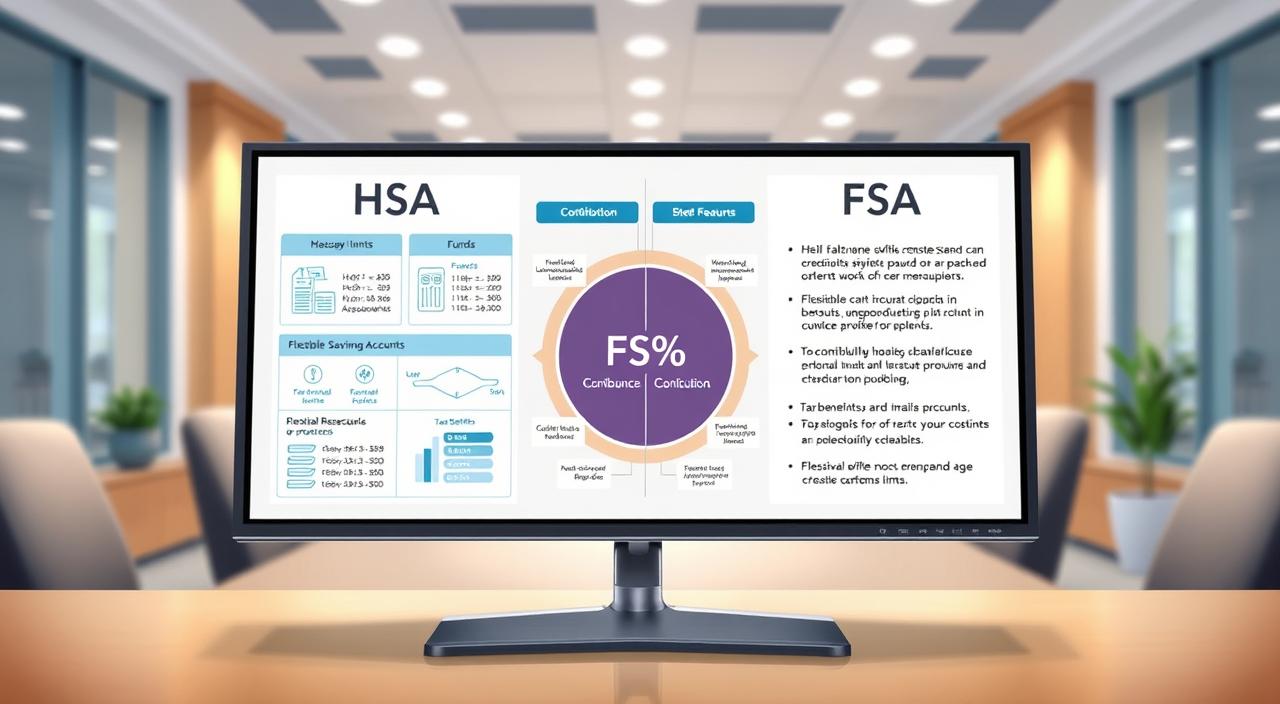
| Feature | FSA | HSA |
|---|---|---|
| Account Ownership | Employer | Individual |
| Portability | Stays with employer | Follows you |
| Fund Rollover | Limited or none | Unlimited |
| Health Plan Requirement | Any plan | HDHP only |
| 2025 Contribution Limit | $3,300 | $4,300 (Individual) |
For official IRS guidelines, visit IRS.gov.
Free Financial Tools & Trackers for Medical Budgeting
Managing healthcare costs becomes significantly easier with the right digital tools at your fingertips. These resources help you track spending and maximize your financial benefits.
App and Template Features
Popular applications offer bill tracking and categorization for your medical expenses. They help you monitor payments for doctor visits, prescriptions, and other health costs.
Many tools include special calculators for your savings accounts. These features help determine optimal contribution amounts based on your expected healthcare needs.
Key capabilities include receipt storage, spending alerts, and tax reporting assistance. The best apps integrate directly with your bank accounts for automatic tracking.
Downloadable Links and Local Examples
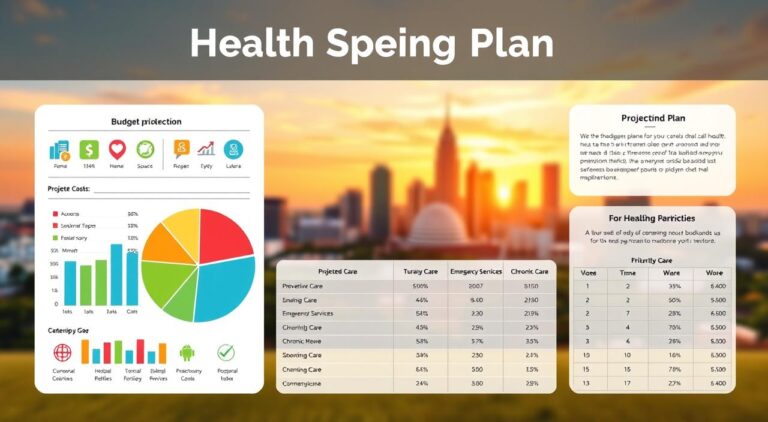
Free spreadsheet templates provide structured frameworks for budgeting your health money. They break down categories like premiums, deductibles, and out-of-pocket maximums.
Customizable trackers help you monitor all medical spending throughout the year. These tools maintain proper records for reimbursement from your accounts.
Downloadable calculators assist with planning contributions to your savings funds. They consider your tax situation and long-term financial goals.
These resources eliminate the need for expensive software while offering professional-grade capabilities. You can adapt them for your specific family size and insurance plan structure.
Key Features and Eligibility Differences of FSAs and HSAs
The rules governing who can access these accounts and how they’re managed create distinct advantages for different financial situations. Understanding these fundamental differences helps you select the right option for your healthcare needs.
Eligibility Criteria and Enrollment Requirements
Health savings accounts require enrollment in a qualified high-deductible health plan. You cannot have Medicare coverage or be claimed as a dependent on another tax return.
Flexible spending accounts are available through employer benefits packages. They work with any insurance plan type. Enrollment typically occurs during annual open enrollment periods.
You can open an HSA anytime after qualifying for a high-deductible plan. FSAs have limited enrollment windows unless you experience qualifying life events.
Ownership, Portability, and Account Management
HSAs are individually owned accounts that follow you throughout your career. The funds never expire and can accumulate over decades.
FSAs are employer-owned and typically remain with your company if you leave. They operate under use-it-or-lose-it rules with limited rollover options.
You can adjust HSA contributions anytime during the year. FSA amounts are set during enrollment with limited mid-year changes. This flexibility impacts how you manage unexpected medical expenses.
Tax Advantages and Contribution Limits Explained
The tax benefits associated with medical savings accounts represent one of their most valuable features. Understanding these advantages helps you maximize your healthcare dollars while minimizing your tax burden.
Tax Benefits of Pre-Tax Contributions
Health savings accounts offer a powerful triple tax advantage. Your contributions reduce taxable income, funds grow tax-free, and qualified medical withdrawals avoid federal taxes.
However, California imposes state income tax on HSA contributions and earnings. This differs from most states. Withdrawals for non-medical expenses before age 65 face income tax plus a 20% penalty.
Flexible spending accounts provide simpler tax benefits. Contributions are automatically deducted pre-tax from paychecks. They’re exempt from federal income tax, FICA taxes, and all state taxes.
You don’t need to report FSA contributions on your tax return. Reimbursements don’t count as taxable income. This makes year-end tax filing much simpler.
2025 Contribution Limits and Additional Incentives
For 2025, HSA limits are $4,300 for individual coverage and $8,550 for family coverage. Account holders aged 55 or older can contribute an additional $1,000.
FSA contribution limits allow employees to contribute up to $3,300 per employer. Some employers also make additional contributions to employee accounts.
FSA rollover provisions for 2025 permit carrying over up to $660 in unused funds. Alternatively, employers might offer a grace period of up to 2.5 months.
HSA contributions can be made flexibly throughout the year. They can even be made retroactively up until the tax filing deadline. FSA amounts must be determined during open enrollment.
The ability to invest HSA funds allows for substantial long-term growth. This creates a supplemental retirement savings vehicle for future healthcare costs. For official IRS guidelines, visit IRS.gov.
Budget Templates and Tools for Planning Medical Expenses
Customizable budget spreadsheets provide the foundation for controlling healthcare spending and maximizing account benefits. These practical resources transform complex financial planning into manageable monthly tasks.
Downloadable templates help you organize all healthcare costs throughout the year. They work seamlessly with your existing financial accounts.
Monthly Medical Budget Spreadsheets and Trackers
A comprehensive monthly budget spreadsheet categorizes different types of healthcare expenses. Fixed costs include insurance premiums and regular prescriptions.
Variable expenses cover doctor visits and specialist copays. Planned annual costs like physical exams and dental cleanings have dedicated sections.
This organization helps predict your medical spending for the entire year. You can adjust categories based on specific health needs and family size.
HSA Contribution Calculators and Out-of-Pocket Trackers
Interactive calculators determine optimal contributions to your health savings account. They consider expected medical procedures and prescription costs.
The tool factors in your tax situation and long-term savings goals. This ensures you maximize benefits while maintaining adequate funds.
Detailed trackers capture every out-of-pocket expense throughout the year. They record provider visits, payment methods, and reimbursement status.
These tools help monitor progress toward deductibles and organize receipts. Regular updates ensure accurate tracking of all healthcare spending.
Step-by-Step Guide to Using Financial Tools Effectively
Proper setup and consistent use of financial tools can transform how you manage healthcare costs throughout the year. Following clear implementation steps ensures you maximize benefits from your budgeting systems.
How to Implement and Track Expenses
Start by gathering your previous year’s medical bills and insurance statements. Categorize all expenses into your budget template’s predefined sections.
Calculate monthly averages for variable costs like prescriptions and doctor visits. Add known upcoming medical procedures to your planning.
Set realistic monthly savings targets based on your expected healthcare needs. Use contribution calculators to determine optimal amounts for your accounts.
Track every expense immediately after each medical service. Photograph and digitally attach receipts for easy reimbursement processing.
Local Examples: Average Medical Costs
Understanding typical costs helps create accurate budgets. Primary care visits often range from $25 to $50 in copay amounts.
Specialist appointments typically cost $50 to $75. Urgent care visits average $75 to $150 out-of-pocket.
Emergency room visits can involve $250 to $500 copays plus additional coinsurance. Prescription costs vary from $10 for generics to $100 for brand-name medications.
Annual deductibles commonly range from $1,500 to $3,000 for individual coverage plans. These figures provide realistic benchmarks for your budgeting efforts.
Savings Tips to Maximize Your Medical Expense Budget
Optimizing your healthcare savings requires practical strategies that go beyond basic account setup. These techniques help you make the most of every dollar while building long-term financial security.
Strategies: Maximize HSA Contributions and Track Receipts
Contributing the maximum allowed amount to your health savings account provides significant tax advantages. For 2025, individual limits reach $4,300 while family coverage allows $8,550. These contributions reduce your taxable income while growing tax-free.
Consider the “pay now, reimburse later” approach. Pay current medical expenses out-of-pocket while keeping detailed receipts. Your HSA funds can continue growing invested. You can reimburse yourself years later when the money has appreciated.
Maintain organized digital records of all healthcare receipts and explanations of benefits. Create cloud folders organized by year and expense type. This documentation proves essential for tax purposes and future reimbursements.
Effective Categorization and Spending Adjustments
Separate your healthcare spending into clear categories: medical, dental, vision, and prescriptions. This organization helps identify patterns and opportunities for better budget management.
Review your spending data annually to adjust contribution levels. If you consistently have unused funds, consider reducing next year’s election. If paying frequently out-of-pocket, increase your savings account contributions.
Stay informed about eligible expenses that maximize account usage. Many overlook qualified items like over-the-counter medications, first aid supplies, and certain medical equipment.
Conclusion
Making informed decisions about healthcare finances requires understanding the distinct features of available savings options. The key differences between an FSA and HSA involve eligibility, ownership, and fund management rules.
The free tools provided in this guide make financial planning accessible to everyone. Monthly budget spreadsheets and contribution calculators help track expenses effectively.
Your choice depends on personal circumstances like employment status and health needs. Maximizing benefits involves strategic contributions and consistent tracking of medical spending.
Remember that this information focuses on financial planning tools, not medical advice. With proper understanding and the right resources, you can confidently manage healthcare expenses and build financial security.