Low Income Clinic Savings Chicago: Affordable Care Options
Medical bills are the leading cause of personal bankruptcy in the United States. This fact highlights the immense financial pressure many families face when seeking essential medical services.
For residents of Chicago, managing healthcare costs requires smart planning. This guide focuses on practical financial tools, not medical advice. We provide resources to help you track and manage expenses effectively.
Several community health centers offer support across the city. Locations like CommunityHealth and Old Irving Park Community Clinic provide vital services. Knowing your options is the first step toward financial control.
Proper documentation and budgeting can make a significant difference. This article will introduce downloadable templates, cost calculators, and step-by-step guides. These resources are designed to help you plan for medical costs throughout the year.
Key Takeaways
- Medical expenses are a major cause of financial distress for many Americans.
- This guide provides financial planning tools, not medical advice.
- Chicago has multiple community health centers offering affordable care options.
- Tracking your healthcare spending is crucial for managing your budget.
- Using templates and calculators can simplify expense management.
- Your household size and income level can affect program eligibility.
- Always consult with a financial professional for personalized advice.
Introduction to Free Financial Tools for Medical Expenses
Taking control of your medical spending starts with organized tracking and a clear budget plan. This guide introduces completely free tools and templates designed for this purpose. They help you track expenses and create health budgets, even without insurance coverage.

Important Disclaimer: These are financial planning tools only, not medical advice. Always consult qualified healthcare professionals for all health-related decisions and treatment options.
Financial Planning Tools Only, Not Medical Advice
These resources help patients organize healthcare spending and manage bills. They are also useful for preparing application documents for assistance programs. Proper documentation is often needed for program eligibility verification.
Overview of Free Apps, Trackers, and Downloadable Budget Templates
We will explore three main categories of free resources. These include mobile apps for expense tracking on the go. You will also find downloadable spreadsheet templates for detailed budget planning.
Specialized calculators for planning contributions to tax-advantaged accounts are also covered. These tools provide valuable information for anyone managing their health care costs. They are beneficial regardless of your current insurance status.
Exploring Free Tools and Budget Templates for Medical Expenses
A clear financial picture is essential for handling medical bills and planning for future healthcare needs. This section details free resources to organize your spending. These tools help you track costs and manage your budget effectively.
Free Tools List for Chicago: Apps, Trackers, and Download Links
Several applications can simplify tracking your health expenses. Popular options include Mint Health for bill reminders and GoodBudget for envelope-style planning.
Many free spreadsheet templates are also available. They often feature HSA calculators and out-of-pocket trackers. These tools provide immediate help for managing your household budget.
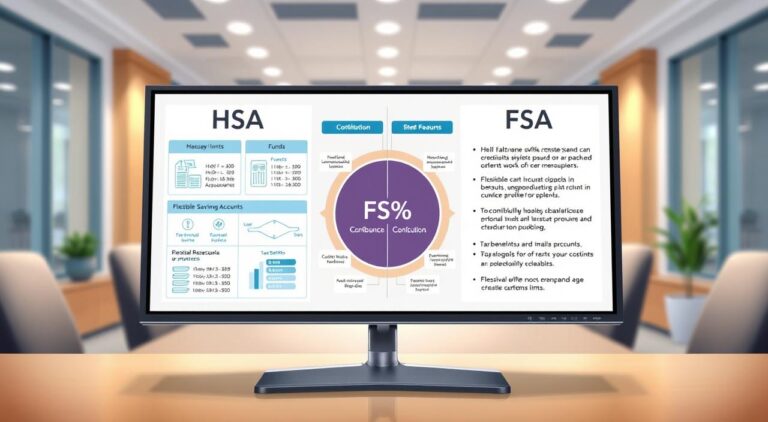
HSA/FSA Guide: Simple Explanations and Comparison Table
Health Savings Accounts (HSA) and Flexible Spending Accounts (FSA) use pre-tax income for medical costs. This reduces your taxable income. Your employer may offer one or both plans.
| Feature | HSA | FSA |
|---|---|---|
| 2025 Contribution Limit (Individual) | $4,150 | $3,200 |
| Tax Benefit | Pre-tax contributions | Pre-tax contributions |
| Funds Roll Over | Yes | Usually No |
| Eligibility | High-Deductible Health Plan | Employer Offer |
Always check the official IRS.gov website for the most current rules and limits.
Budget Templates: Monthly Medical Budgets, HSA Calculators, and Out-of-Pocket Trackers
Downloadable templates help you plan for the entire year. A monthly medical budget spreadsheet categorizes expenses like prescriptions.
An HSA contribution calculator can project your tax savings. It often uses your annual income and household size. An out-of-pocket tracker monitors payments toward your insurance deductible.
These templates help you organize proof of income documents for program applications. They create a clear record of your healthcare spending.
How Low Income Clinic Savings Chicago Maximizes Your Financial Planning
Putting your financial planning tools to work requires understanding local healthcare costs and strategic implementation. This section shows Chicago patients how to apply these resources effectively.
Local Chicago Examples: Step-by-Step Tool Usage and Average Medical Costs by State
Start by downloading a free expense tracker app. Input your household size and annual income. Then record typical Illinois costs like a $150-$250 primary care appointment.
Integrate services from providers like CommunityHealth into your budget. Their free care significantly reduces overall spending. Track every service received throughout the year.
Gather documentation including proof of income letters from your employer. Keep medical bills from the past year. This paperwork supports applications for assistance programs.
Savings Tips: Maximizing HSA Contributions, Receipt Tracking, and Expense Categorization
Actionable strategies help patients manage costs effectively:
- Maximize HSA contributions to reduce taxable income
- Maintain organized receipt documentation for all expenses
- Categorize costs by type (preventive, treatment, prescriptions)
- Review bills regularly for errors or duplicate charges
- Schedule appointments strategically to manage out-of-pocket costs
Financial counselors at hospitals review this documentation to determine program eligibility. Proper tracking makes the application process more efficient.
Conclusion
Navigating medical expenses requires practical tools and local resources that help maintain both health and financial stability. This guide has provided comprehensive information about free financial planning resources available to all patients.
Remember: These tools assist with expense management only. Always consult healthcare professionals for medical decisions about treatment or care for yourself or your children.
Local organizations like CommunityHealth (773.395.9900) and Old Irving Park Community Clinic (773-427-0298) offer valuable services. Contact them with questions about eligibility and available support.
Start by downloading the recommended tools and gathering necessary documents. Organized tracking throughout the year simplifies application processes for assistance programs.
With proper planning, you can manage healthcare costs effectively while accessing needed medical services. These resources empower you to take control of your health expenses.