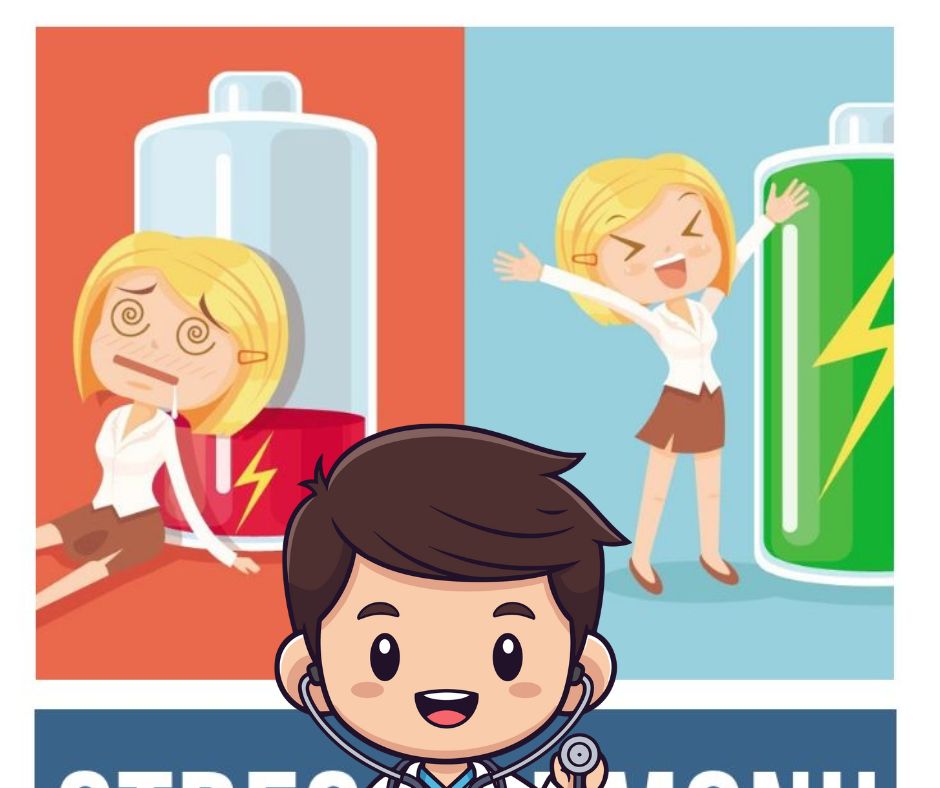
High-Cortisol Symptoms: How to Lower Stress Hormones for Better Sleep and Focus
Learn the most common high-cortisol symptoms and how to lower stress hormones naturally for better sleep, focus, and mental clarity.
High-Cortisol Symptoms: How to Lower Stress Hormones for Better Sleep and Focus is a critical topic for adults experiencing chronic stress, poor sleep, brain fog, stubborn fatigue, and difficulty concentrating.
Cortisol is often labeled the “stress hormone,” but it plays an essential role in survival. The problem begins when cortisol remains elevated for long periods. In today’s fast-paced, always-connected world, chronically high cortisol has become one of the most underestimated threats to sleep quality, mental clarity, and long-term health.
This informercial-style guide explains how to recognize high-cortisol symptoms, why they disrupt sleep and focus, and the most effective, science-backed strategies to lower stress hormones naturally.
What Is Cortisol and Why Does It Matter?
Cortisol is a hormone produced by the adrenal glands in response to stress. In healthy amounts, it helps regulate blood sugar, blood pressure, inflammation, and the sleep-wake cycle.
Under normal conditions, cortisol follows a daily rhythm—higher in the morning to promote alertness, and lower at night to allow restful sleep. Chronic stress, however, disrupts this rhythm, keeping cortisol elevated when it should decline.
Over time, this hormonal imbalance affects nearly every system in the body.
Common High-Cortisol Symptoms
Many people experience high cortisol without realizing it. The symptoms are often mistaken for lifestyle issues or aging.
Common high-cortisol symptoms include:
- Difficulty falling or staying asleep
- Feeling “wired but tired”
- Brain fog and poor concentration
- Increased belly fat
- Frequent anxiety or irritability
- Cravings for sugar or salty foods
- Weakened immune response
If left unmanaged, chronically high cortisol may contribute to metabolic dysfunction, mood disorders, and cognitive decline.
How High Cortisol Disrupts Sleep
Sleep and cortisol are tightly linked. Elevated cortisol at night signals the brain that it’s time to stay alert, not rest.
This leads to:
- Delayed sleep onset
- Frequent nighttime awakenings
- Reduced deep and REM sleep
Poor sleep then feeds back into the stress response, creating a vicious cycle of rising cortisol and worsening sleep quality.
How High Cortisol Impairs Focus and Mental Clarity
Chronic cortisol elevation directly impacts the brain, particularly the hippocampus and prefrontal cortex—areas responsible for memory, learning, and decision-making.
High cortisol can:
- Reduce working memory
- Slow cognitive processing speed
- Increase mental fatigue
- Lower emotional resilience
This explains why many high-achieving professionals experience declining focus despite working harder.
How to Lower Stress Hormones Naturally
The good news is that cortisol is highly responsive to lifestyle and nutritional interventions.
1. Optimize Sleep Timing and Light Exposure
Consistent sleep and wake times help reset the cortisol rhythm. Morning sunlight exposure lowers cortisol later in the evening, improving sleep quality.
2. Manage Stimulant Intake
Excessive caffeine—especially after midday—can keep cortisol elevated into the night. Reducing stimulants often leads to rapid improvements in sleep and focus.
3. Practice Nervous System Regulation
Breathing exercises, meditation, and slow-paced activities activate the parasympathetic nervous system, directly lowering cortisol levels.
4. Support Cortisol Balance with Nutrition
Blood sugar instability is a major driver of cortisol spikes. Balanced meals containing protein, healthy fats, and complex carbohydrates help stabilize stress hormones.
5. Consider Science-Backed Supplements
Certain supplements have been shown to help regulate cortisol levels:
- Ashwagandha: Adaptogen shown to reduce cortisol and anxiety
- Magnesium: Supports relaxation and sleep quality
- Phosphatidylserine: May blunt cortisol response to stress
- L-Theanine: Promotes calm focus without sedation
Supplement quality and dosage are essential for effectiveness.
Long-Term Benefits of Lowering Cortisol
When cortisol is brought back into balance, many people experience:
- Deeper, more restorative sleep
- Improved focus and productivity
- Better emotional regulation
- Healthier body composition
- Greater resilience to stress
Lowering cortisol is not about eliminating stress, but about restoring the body’s ability to recover.
Final Thoughts
High-Cortisol Symptoms: How to Lower Stress Hormones for Better Sleep and Focus is not just a wellness topic—it’s a foundation for long-term health and cognitive performance.
By addressing stress at the hormonal level, you can break the cycle of exhaustion, poor sleep, and mental overload, allowing your body and brain to function as designed.
Disclaimer: This content is for informational and educational purposes only and does not constitute medical advice, diagnosis, or treatment. Always seek the advice of your physician or another qualified health provider with any questions you may have regarding a medical condition or the use of dietary supplements and medications like Ozempic. Never disregard professional medical advice or delay in seeking it because of something you have read on this website. The use of any information provided on this site is solely at your own risk.