Atlanta Health Spending Plan Template: Budget for Healthcare
Medical costs in Atlanta have surged by over 40% in the past five years, creating financial stress for countless families. This alarming trend makes smart money management essential for anyone facing medical bills.
Our comprehensive resource hub provides free financial tools specifically designed for Atlanta residents. You’ll find practical templates and calculators to track your medical expenses effectively.
Whether you have insurance coverage or are managing costs independently, these resources help you create a structured approach to healthcare finances. The tools work for everyone in the Atlanta area.
Financial planning tools only, not medical advice. Consult professionals for health decisions. This guide focuses exclusively on budgeting strategies and expense tracking methods.
You’ll discover downloadable budget templates, comparison guides for tax-advantaged accounts, and step-by-step implementation instructions. These practical resources help maximize your healthcare dollars while minimizing financial stress.
Key Takeaways
- Atlanta residents face rapidly increasing medical costs requiring smart financial strategies
- Free tools and templates help track expenses without insurance complications
- Structured budgeting approaches work for all coverage situations
- Resources focus solely on financial planning, not medical treatment advice
- Practical implementation guides simplify the budgeting process
- Tax-advantaged account comparisons maximize savings opportunities
- Step-by-step instructions ensure successful financial management
Introduction: Free Tools and Templates to Track Medical Expenses in Atlanta
The financial burden of medical services continues to grow significantly throughout the metropolitan region, requiring new approaches to expense management. Households need practical solutions to navigate these challenging financial waters effectively.
Overview and Disclaimer
This resource hub focuses exclusively on financial management tools for tracking treatment costs. All content provided relates to budgeting assistance and expense monitoring systems.
These resources offer financial guidance only, not medical advice. Always consult healthcare professionals for treatment decisions. The tools help organize your financial approach to medical needs.

Purpose of This Resource Hub
Our centralized platform provides free access to various financial management resources. You’ll find downloadable templates, mobile applications, and calculators designed for different situations.
The hub serves diverse audiences including insured families, self-employed individuals, and those without coverage. Each group can find appropriate tools for their specific needs.
Having the right financial management tools empowers residents to make informed decisions about their medical care costs. Proper organization reduces stress and improves financial control.
Free Tools and Budget Calculators for Medical Expenses in Atlanta
Modern technology offers powerful solutions for managing your family’s healthcare finances. The right applications can simplify tracking your medical expenses and organizing receipts.
These tools help you monitor your account balances and prepare for tax season. Many connect directly to your bank account for automatic categorization.
Top Free Apps and Trackers
Popular options include Mint Health and GoodBudget for different needs. Mint Health automatically sorts debit card transactions into medical categories.
GoodBudget uses an envelope system to allocate funds for future costs. Both help track FSA spending throughout the year.
Features, Bill Tracking, and Download Links
These applications offer bill tracking and receipt scanning capabilities. They help manage healthcare accounts and out-of-pocket expenses efficiently.
| App Name | Key Features | Download Link |
|---|---|---|
| Mint Health | Automatic expense categorization, FSA tracker | mint.com/health |
| GoodBudget | Envelope budgeting, spending alerts | goodbudget.com |
| Excel Templates | Customizable sheets, HSA calculators | microsoft.com/templates |
| PocketGuard | Bill tracking, receipt storage | pocketguard.com |
| Wally | International currency, expense reports | wally.me |
| Spendee | Shared wallets, budget planning | spendee.com |
| Money Lover | Event tracking, debt management | moneylover.me |
| Google Sheets | Cloud-based, real-time collaboration | sheets.google.com |
Each tool handles different financial situations effectively. Choose based on whether you need simple tracking or complex account management.
Mobile features include receipt scanning and spending notifications. These help you stay organized throughout the year.
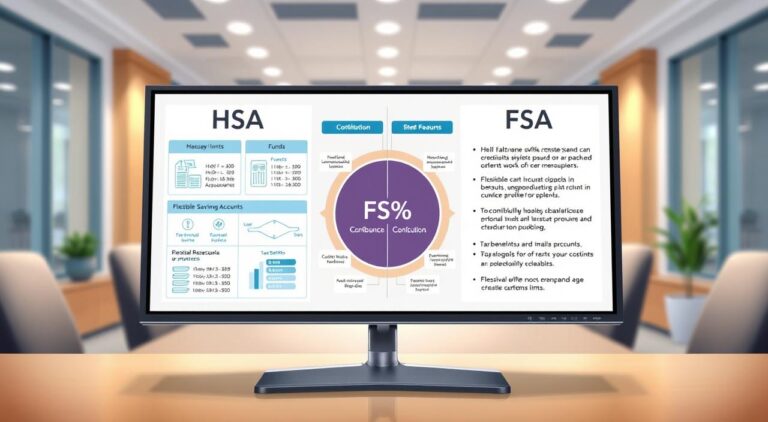
HSA and FSA Guide: Comparing Health Savings and Flexible Spending Accounts
Many Americans overlook powerful tools that lower their medical expenses. Understanding these options can save you significant money each year.
Tax-advantaged accounts offer unique benefits for managing healthcare costs. They work differently but both provide financial advantages.
Understanding HSA Features and Tax Benefits
A health savings account belongs to you personally. It stays with you even when changing jobs.
You must have a high-deductible health plan to qualify. The IRS sets specific requirements for what counts as high-deductible.
HSAs offer triple tax advantages. Contributions are tax-deductible, growth is tax-free, and qualified withdrawals avoid taxes.
Once your balance exceeds $1,000, investment options become available. You can choose managed portfolios or self-directed accounts.
Exploring FSA Options and Contribution Limits for 2025
Flexible spending accounts are employer-owned. They don’t transfer if you leave your job.
Different FSA types serve various needs. Healthcare FSAs cover medical expenses, while limited-purpose versions focus on dental and vision.
Contribution limits for 2025 show important differences. Healthcare FSA limits range from $200 to $3,200 annually.
The “use-it-or-lose-it” rule applies to most FSAs. Some plans offer a grace period until March 15th of the following year.
| Feature | HSA | FSA |
|---|---|---|
| Ownership | Employee | Employer |
| Rollover | Unlimited | Limited grace period |
| 2025 Individual Limit | $4,300 | $3,200 max |
| Investment Options | Yes ($1,000+ balance) | No |
| Eligibility | High-deductible plan required | Employer offering required |
For official IRS guidelines, visit IRS.gov. This ensures you have current contribution limits and eligible expenses.
HSAs work best for long-term savings growth. FSAs suit predictable annual medical costs. Choose based on your financial situation and healthcare needs.
Budget Templates and Financial Tools for Health Expenses
Streamlining your medical budget requires tools that separate qualified costs from regular household expenses. Our downloadable resources help organize your financial approach to treatment costs throughout the year.
Monthly Medical Budget Spreadsheets and Out-of-Pocket Trackers
The monthly budget spreadsheet categorizes different types of medical expenses. It separates qualified medical costs eligible for reimbursement from non-qualified expenses.
This simplifies record-keeping for tax purposes. The out-of-pocket tracker monitors progress toward annual deductibles.
Users see when insurance coverage increases and pocket costs decrease. This helps manage money effectively throughout the year.
HSA Contribution Calculators and Expense Planning Templates
HSA calculators determine optimal contribution amounts based on expected expenses. They consider tax bracket benefits and available funds.
Expense planning templates include care FSA management options. These cover Healthcare FSA, Dependent Care FSA, and Limited Purpose FSA.
Templates feature reminders about spending deadlines. They help ensure all available funds get utilized properly.
The grace period tracker highlights expenses incurred between January 1 and March 15. These can be reimbursed from the previous year’s balance.
Implementing Your health spending plan Atlanta template
Putting your medical expense strategy into action requires clear steps and local cost awareness. This guide walks you through using each tool effectively with real-world Georgia examples.
Following these instructions helps create a sustainable system for managing your family’s medical finances.
Step-by-Step Guide for Using Each Tool
Begin by downloading your chosen tracking application from the official app store. Create your account using a secure email and password.
Link your financial institutions for automatic expense categorization. Set up specific categories for different types of medical services.
Complete your monthly budget spreadsheet with insurance premium information. Include expected appointments and prescription costs for the coming year.
Use contribution calculators to determine optimal HSA or FSA amounts. Review previous year’s expenses to make accurate projections.
Local Atlanta Examples and Average Medical Costs by State
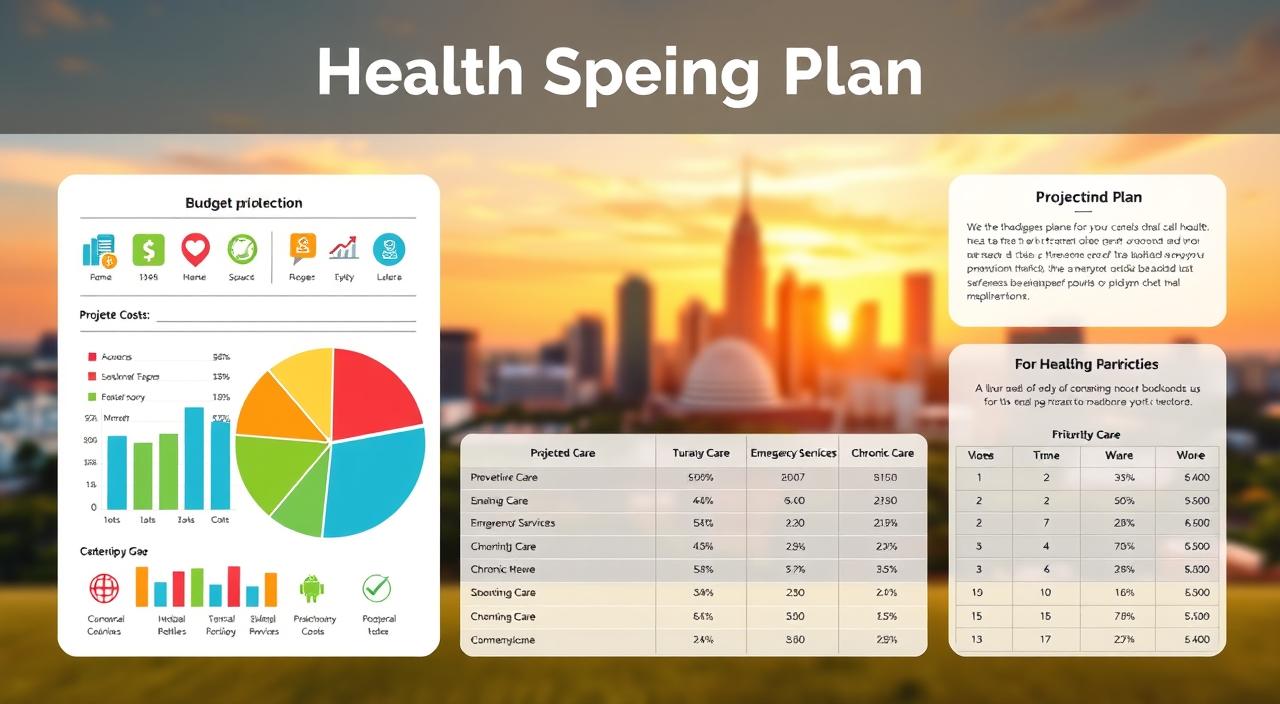
Georgia averages help create realistic expectations for your budget planning. Primary care visits typically range between $25-$50 for copays.
Specialist appointments often cost $50-$75 per visit in the Atlanta area. Emergency room services can range from $500 to $1,500 depending on treatment needs.
Prescription expenses vary but average $10-$50 for common medications. These figures help when estimating your annual out-of-pocket costs.
Track these expenses against your insurance explanations of benefits. This ensures accurate record-keeping throughout the coverage period.
Savings Tips for Managing Healthcare Costs Effectively
Strategic management of medical finances requires both smart saving techniques and organized documentation practices. These approaches work together to maximize your financial benefits while ensuring compliance with IRS requirements.
Maximizing HSA Contributions and Organizing Receipts
Contribute the maximum allowed to your HSA each year to fully leverage tax advantages. Once your balance exceeds $1,000, investment options become available through your account provider.
These investment opportunities allow your funds to grow tax-free for future medical needs. The triple tax benefit includes pre-tax contributions, tax-free growth, and tax-free withdrawals for qualified expenses.
Essential receipt organization practices:
- Retain all receipts for transactions made with your debit card
- Create a filing system by category: dental, vision, medical, prescription
- Organize documents by family member and tax year
- Keep explanation of benefits documents alongside receipts
Categorizing Expenses and Best Practices for Tracking
Proper expense categorization separates qualified medical costs from non-qualified expenses. This ensures accurate reimbursement from your spending accounts.
Track deductible progress separately for each family member. Monitor copays, coinsurance, and non-covered services throughout the year.
Effective tracking strategies:
- Use your debit card for point-of-care payments when possible
- Schedule dental and vision services early in the year
- Coordinate coverage between primary and secondary insurance
- Negotiate cash-pay discounts before meeting your deductible
These practices help you maximize benefits while maintaining proper documentation for potential verification requests.
Conclusion
Taking control of your medical finances begins with the right tools and consistent habits. The comprehensive resources provided offer complete solutions for managing healthcare expenses effectively throughout the year.
Regular tracking and strategic use of tax-advantaged accounts like HSAs and FSAs create significant financial benefits. Employees should start implementing their approach today during open enrollment periods.
Remember that these tools complement professional advice from financial and tax experts. Quarterly reviews help adjust contributions based on actual care utilization and changing family needs.
Share these valuable resources with coworkers and family members who could benefit from better financial management strategies. Consistent daily attention to your accounts pays dividends in reduced stress and improved outcomes.