Seniors Medical Costs Orlando: Budget Calculator Guide
Did you know a 65-year-old has a 70 percent chance of needing long-term care? This reality makes planning for future medical needs essential for many people. The financial impact is significant, with 2025 estimates showing assisted living averaging $5,900 monthly and nursing home private rooms costing approximately $10,965.
This guide is designed to help you navigate these potential expenses. We provide free financial planning tools and templates to track medical spending and create a plan for your health expenses. Our focus is exclusively on financial management and resource organization.
The resources here offer valuable information for individuals, whether they have insurance or not. You can learn to categorize expenses and plan for both immediate and long-term needs. Important: This information is for financial planning only, not medical advice. Always consult healthcare professionals for health decisions.
Inside, you’ll find recommendations for useful apps, guidance on accounts like HSAs, and downloadable templates. We include step-by-step instructions and local cost examples to help you make informed choices about your care today and in the future.
Key Takeaways
- Most older adults will require some form of long-term care assistance.
- Current costs for care services are substantial, making financial preparation critical.
- This guide offers free tools and templates for tracking and planning medical expenses.
- All provided information is strictly for financial planning purposes.
- These resources are designed to be useful for people with or without insurance.
- You will find app recommendations, downloadable templates, and step-by-step guides.
- Consult a healthcare professional for all medical advice and decisions.
Introduction & Free Tools for Medical Expense Tracking
Free digital resources now make it easier than ever to monitor healthcare spending effectively. These applications save valuable time while providing organized records.
Overview of Free Financial Planning Tools
Several types of tracking applications exist for different needs. Comprehensive apps handle all expenses with special health categories. Specialized tools focus specifically on medical services.
Simple spreadsheet templates work well for manual entry. Some applications combine appointment scheduling with cost tracking features.

Disclaimer: Financial Tools, Not Medical Advice
Important reminder: These resources provide financial organization help only. They do not offer medical guidance. Always consult professionals for health decisions.
Free Apps and Trackers Table Overview
The table below shows popular free tools for expense management. Each offers unique features for different preferences.
| Tool Name | Key Features | Access Information |
|---|---|---|
| Mint Health | Budget tracking, healthcare categories, automatic bank sync | iOS/Android app stores |
| GoodBudget | Envelope system, medical expense separation, receipt storage | GoodBudget.com |
| Excel Templates | Customizable columns, manual entry, tax preparation ready | Microsoft Office templates |
| CareZone | Medication tracking, appointment reminders, cost logging | CareZone app download |
| PocketGuard | Spending limits, bill reminders, health expense alerts | PocketGuard mobile app |
| Wally | Receipt scanning, expense categorization, international currencies | Wally app available free |
| Spendee | Shared budgets, multiple wallets, health spending reports | Spendee budgeting app |
| Google Sheets | Cloud-based, real-time collaboration, customizable templates | Google Drive templates |
These tools help track various medical services including prescriptions and doctor visits. Consistent use provides valuable information for insurance claims and tax preparation.
HSA/FSA Guide for Creating Health Budgets
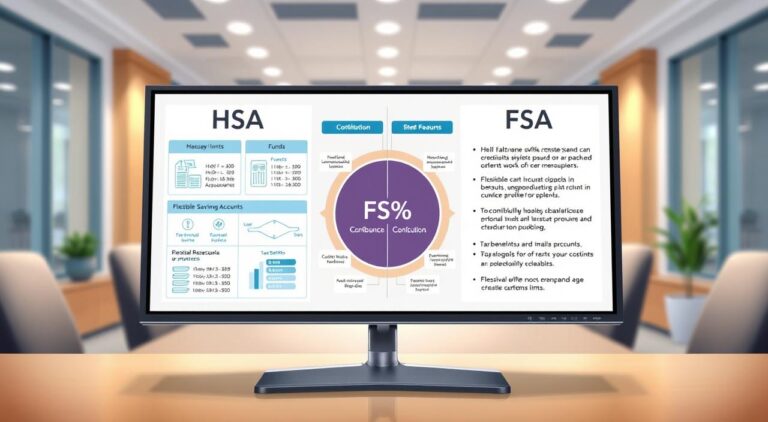
Many people overlook the powerful tax benefits available through specific health savings vehicles. Health Savings Accounts (HSAs) and Flexible Spending Accounts (FSAs) provide strategic ways to manage medical expenses.
Understanding HSA vs FSA: Key Features & Tax Benefits
Both account types use pre-tax dollars. This reduces your taxable income immediately. Funds grow tax-free and withdrawals for qualified expenses remain tax-free.
HSAs require a high-deductible health plan. They cannot be used with Medicare. FSAs are employer-sponsored and available with most insurance plans.
Contribution Limits for 2025 & Eligibility Criteria
For 2025, HSA limits are $4,300 for individual coverage. Family coverage allows $8,550. People 55 and older can add $1,000 as a catch-up contribution.
FSA limits typically reach $3,200 annually. Employers set specific amounts. Eligibility depends on your employment status and company offerings.
Comparison Table & IRS.gov Reference
| Feature | HSA | FSA |
|---|---|---|
| Tax Benefits | Pre-tax contributions, tax-free growth, tax-free withdrawals | Pre-tax contributions, tax-free withdrawals |
| 2025 Contribution Limits | $4,300 individual / $8,550 family | Typically $3,200 |
| Eligibility | HDHP required, no Medicare | Employer-sponsored |
| Rollover Rules | Unlimited rollover | Use-it-or-lose-it with limited carryover |
| Portability | Keep account when changing jobs | Tied to current employment |
These accounts help reduce out-of-pocket costs for deductibles, prescriptions, and vision care. Proper use within your financial plan can save 20-30% on qualified expenses.
For official guidance, consult IRS Publication 502 and Publication 969.
Budget Templates and Downloadable Tools
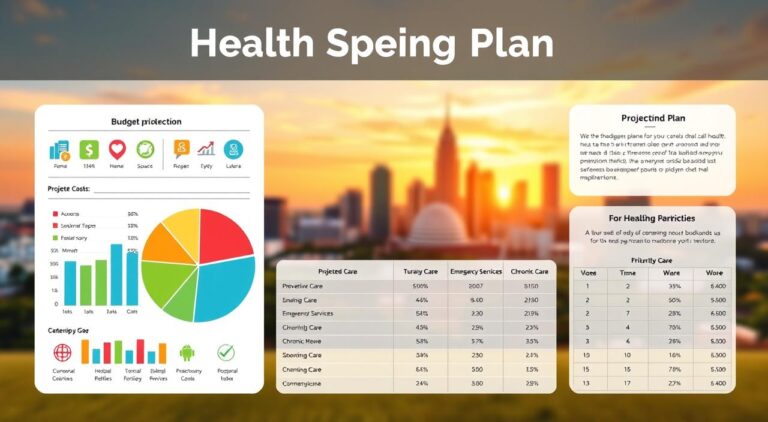
Practical templates transform financial planning from guesswork to precision. These ready-to-use resources help organize medical spending throughout the year.
Each template serves a specific purpose in managing your health money. They work together to provide a complete financial picture.
Monthly Medical Budget Spreadsheets
This comprehensive spreadsheet tracks all health-related costs in one place. It includes categories for insurance premiums, prescriptions, and copays.
The template separates fixed and variable expenses clearly. This helps identify spending patterns for different medical services.
Special sections account for annual check-ups and emergency funds. Users can customize categories based on their specific needs.
HSA Contribution Calculators and Out-of-Pocket Trackers
The contribution tool determines optimal amounts for tax-advantaged accounts. It considers your tax bracket and anticipated medical costs.
This helps maximize savings while covering expected expenses. The tool automatically calculates allowable limits.
Meanwhile, the out-of-pocket tracker monitors deductible progress. It shows when insurance coverage switches to full payment.
This prevents surprise costs and ensures benefits get fully used. The system generates year-end summaries for tax preparation.
Regular use of these tools provides accurate data for insurance comparisons. They help negotiate payment plans with providers effectively.
budget calculator seniors healthcare Orlando
Geographic location plays a crucial role in determining healthcare expenses for older adults. Our step-by-step guide helps you apply the tools effectively with local data.
Step-by-Step Guide to Using Our Financial Tools
Begin by gathering your personal information. Include your current age, retirement plans, and health status. Also note any savings set aside for medical needs.
Next, open the monthly expense spreadsheet. Enter fixed costs like insurance premiums first. Then add variable expenses using Orlando-area provider rates.
The HSA contribution tool requires your income details and tax bracket. Input anticipated medical costs and years until Medicare eligibility. The system then suggests optimal contribution amounts.
For out-of-pocket tracking, start with your insurance plan’s maximum. Record copays from local providers and prescription costs. Monitor your progress toward the annual limit.
Local Orlando Examples & Average Medical Costs by State
Florida costs differ from national averages. According to recent surveys, assisted living facilities average $5,900 monthly here. Home health aide services run approximately $34 per hour.
Adult day care services cost around $100 daily in the Orlando area. Nursing home private rooms average $10,646 monthly. These figures help create realistic projections.
Your specific ZIP code affects insurance plan availability and provider networks. Research Medicare options using your exact location. Compare costs across different Orlando neighborhoods.
Florida’s lack of state income tax benefits financial planning. The state’s large older population means abundant care services. Use current local quotes for the most accurate estimates.
Review your projections annually with updated survey data. Adjust for healthcare inflation and changing needs. This ensures your plan remains relevant over time.
Conclusion
Understanding the reality of long-term care costs empowers better decision-making. With 70% of people facing some form of assistance later in life, early preparation becomes essential.
The free tools and templates provided create a complete system for managing expenses. They help track receipts, maximize tax-advantaged accounts, and categorize different service types.
Start using these resources today to build your financial plan. Regular reviews and cost comparisons ensure your strategy stays current with changing needs.
Remember that while these tools offer valuable information, consulting financial professionals provides personalized guidance. Taking action now helps secure quality care when you’ll need it most.