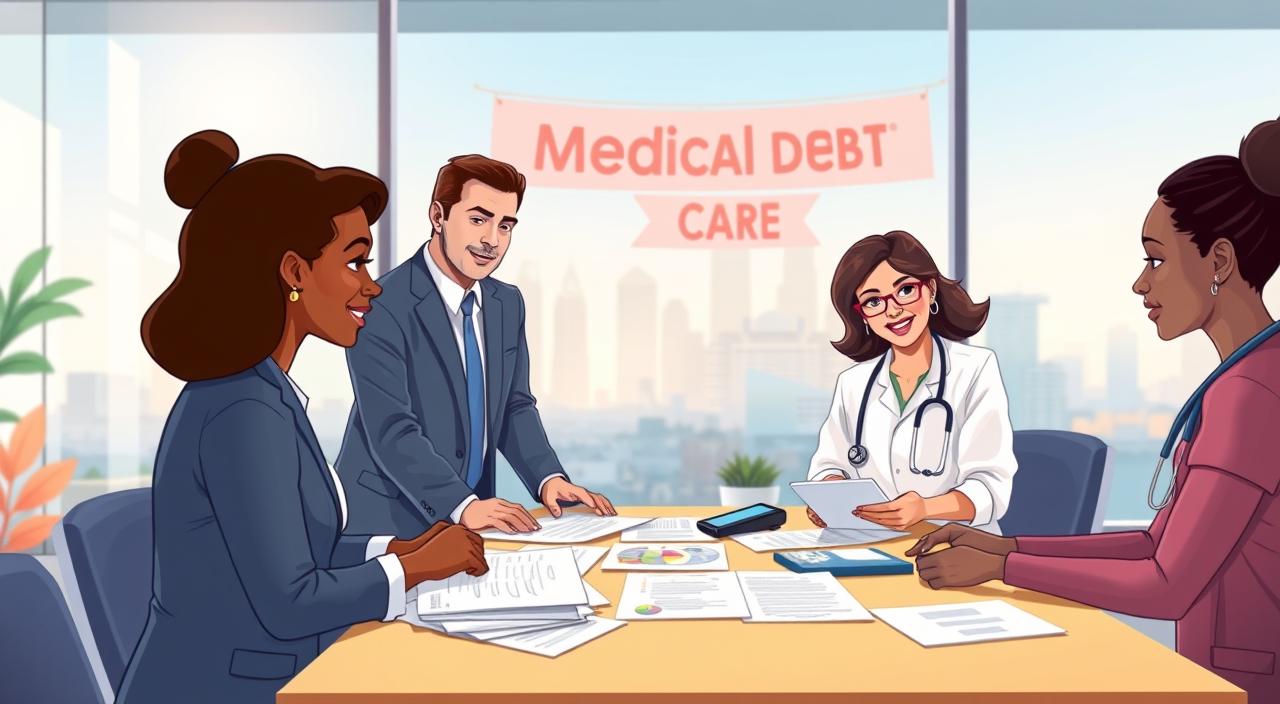
Reduce Medical Debt Atlanta Georgia: Affordable Care
Did you know that nearly 1 in 3 Georgia residents have outstanding medical bills they cannot pay? This staggering reality affects countless families across our state.
Healthcare costs continue to rise, creating significant financial strain for many households. People often feel overwhelmed when facing complex billing statements and insurance paperwork.
This comprehensive guide provides practical strategies for managing healthcare expenses. We focus specifically on helping individuals navigate the financial aspects of medical care.
Our content offers financial information only—not medical or legal advice. Always consult appropriate professionals for personalized guidance regarding your specific situation.
You will learn actionable steps to understand billing statements better. The guide also covers effective negotiation techniques and identifies local resources available to residents.
Knowledge truly empowers people when dealing with healthcare finances. This information gives you the tools to take control of your financial healthcare situation with confidence.
Key Takeaways
- Nearly one-third of Georgia residents struggle with unpaid medical bills
- This guide focuses exclusively on financial strategies, not medical advice
- Learn to interpret complex healthcare billing statements accurately
- Discover practical negotiation techniques for healthcare expenses
- Access local resources specifically available to Atlanta area residents
- Gain confidence in managing your healthcare financial situation
- Always consult professionals for personalized medical or legal guidance
Introduction
Financial challenges related to healthcare affect countless households across Georgia, with medical expenses often causing unexpected hardship. This guide focuses on practical solutions for managing these financial pressures.

Article Overview and Purpose
You will learn effective strategies for discussing healthcare costs with providers. The content covers essential insurance terminology like deductibles and copays.
According to Urban Institute research, one in six Georgia adults had past-due healthcare bills in 2019. Rural areas saw approximately 27 percent of residents with unpaid accounts sent to collections.
This educational resource offers relief through clear explanations of billing processes. Understanding these concepts represents the first step toward financial stability.
Disclaimer: Financial Information Only
This article provides financial information only—not medical or legal advice. Always consult appropriate professionals for personalized guidance regarding your specific situation.
The assistance options discussed focus exclusively on financial management strategies. Local resources can provide additional support for complex cases.
Top Negotiation Tips in Atlanta, Georgia
When dealing with healthcare expenses, knowing your rights under state law can make a significant difference. The Georgia Fair Business Practices Act provides important protections for consumers.
This legislation requires facilities to supply detailed statements and prohibits unfair practices. Understanding these rights empowers you during financial discussions.
Request an Itemized Bill
1. Always request an itemized statement from hospitals and healthcare providers. Georgia law mandates that facilities provide detailed billing within six days of discharge.
Reviewing each charge helps identify errors or services never received. Duplicate entries often inflate the total amount owed.
Ask for Financial Assistance and Compare Prices
2. Inquire directly about financial assistance programs. Many institutions offer help but don’t actively advertise these options to patients.
3. Compare cash payment prices versus insurance rates. Sometimes paying directly costs less than using insurance after deductibles.
4. Dispute errors promptly with specific documentation. Contact the billing department immediately when you spot discrepancies. The FBPA gives you legal backing when challenging incorrect charges.
Applying these strategies systematically can significantly lower your overall healthcare costs. Persistence often yields better results than accepting the initial figures.
Understanding Your Bill: Key Insurance Terms Explained
Before reviewing any healthcare statement, it’s essential to grasp the key concepts that govern payment calculations. These terms determine your financial responsibility for services received.
Defining Deductibles, Copays, and Out-of-Pocket Maximums
A deductible represents the amount you pay before your insurance begins covering expenses. Typical amounts vary based on your specific plan type and coverage level.
Copays are fixed payments for each visit to healthcare providers. You pay this amount regardless of the total service cost.
The out-of-pocket maximum is the most you’ll pay during a plan year. After reaching this limit, your insurance covers 100% of approved costs.
Your Explanation of Benefits (EOB) details what services were covered. It shows provider charges and your remaining responsibility.
Example Table: Term, Meaning, and Typical Atlanta Costs
| Term | Meaning | Typical Georgia Amount |
|---|---|---|
| Deductible | Amount paid before insurance coverage begins | $1,500-$3,000 |
| Copay | Fixed payment per service visit | $25-$50 |
| Out-of-Pocket Maximum | Yearly spending limit before full coverage | $7,000-$9,000 |
According to the Kaiser Family Foundation, Georgia’s average annual premium reached $6,597 for single coverage. Family plans averaged $18,142 in 2020.
Understanding these terms helps you identify potential billing errors. This knowledge empowers better financial management of your healthcare needs.
How to Negotiate Your Medical Bills: A Step-by-Step Guide
Taking control of your healthcare expenses begins with a clear negotiation strategy. Many people successfully lower their financial obligations through systematic approaches.
Following these proven steps can help you achieve better outcomes. Each action builds toward comprehensive financial relief.
Contacting the Billing Department
Start by calling the billing office immediately after receiving statements. Explain your situation honestly and ask about available assistance programs.
Be prepared to discuss your financial constraints openly. Many facilities have options they don’t actively advertise to patients.
Offering Lump Sum Discounts and Applying for Charity Care
Propose paying a reduced amount in one payment. Providers often prefer guaranteed settlement over uncertain collection processes.
Request charity care applications if you meet income requirements. These programs can lead to complete bill forgiveness or significant reductions.
Consider hiring professional bill advocates who understand complex billing procedures. They can identify errors and negotiate effectively with creditors.
Debt settlement involves working with collection agencies to pay a percentage upfront. The remaining balance may be forgiven through proper negotiation.
No Insurance Options in Atlanta, Georgia: Exploring Alternative Payment Plans
Navigating healthcare costs without insurance coverage requires understanding available financial pathways. Several practical solutions exist for individuals seeking necessary services.
Negotiating the Cash Price
Uninsured individuals can often negotiate direct cash prices with providers. This approach frequently results in significant discounts compared to standard billing rates.
Many facilities offer flexible payment plan options for those needing to spread costs over time. These arrangements typically involve monthly installments with little or no interest.
Low-income assistance programs provide crucial support for eligible individuals and families. Medicaid offers comprehensive healthcare services at minimal cost for qualifying applicants.
The PeachCare for Kids program ensures children from low-income families receive affordable coverage. This prevents debt accumulation while maintaining access to necessary care.
Debt settlement represents another viable option for overwhelmed individuals. Successful negotiation can lead to paying a percentage with remaining balance eligible for forgiveness.
Non-profit organizations throughout the region provide financial aid and negotiation support. They offer guidance on managing healthcare expenses effectively.
Exploring all available payment options and assistance programs is essential. Each individual’s situation determines the most appropriate solution.
Reduce Medical Debt Atlanta Georgia: Practical Strategies & Local Resources
Professional guidance and state consumer protections offer powerful tools for managing healthcare-related financial stress. Georgia provides specific legal safeguards and local resources to help individuals navigate challenging situations.
Local Consumer Assistance and Legal Guidance
The Georgia Attorney General’s consumer protection division handles complaints about unfair collection practices. They enforce the state’s Fair Debt Collection Practices Act, which prohibits deceptive tactics.
Senator Raphael Warnock advocated for removing healthcare bills from credit reports. This initiative could help millions of Americans improve their financial standing.
Utilizing Medical Bill Advocates and Payment Plans
DebtStoppers in Atlanta offers complimentary assessments with experienced attorneys. Konn Law Firm provides similar settlement services for overwhelmed families.
Bankruptcy options include Chapter 7 for complete elimination of obligations. Chapter 13 creates structured repayment plans over several years.
Professional advocates can review statements for errors and negotiate directly with facilities. Payment arrangements allow spreading costs over time without credit damage.
Taking action today provides more relief options and prevents situations from escalating. Multiple pathways exist for individuals at different income levels.
Conclusion
Armed with the right knowledge and strategies, individuals can confidently address their healthcare financial challenges. The approaches discussed—requesting detailed statements, seeking assistance programs, and disputing errors—provide practical pathways forward.
Understanding billing processes and insurance terms empowers people to make informed decisions. Multiple options exist for those facing healthcare expenses, from payment plans to professional assistance programs.
Taking immediate action rather than ignoring statements leads to better outcomes. When facing overwhelming situations, consulting qualified professionals ensures personalized guidance.
Remember this article offers financial information only. With persistence and the right approach, managing healthcare costs becomes an achievable goal toward financial stability.